
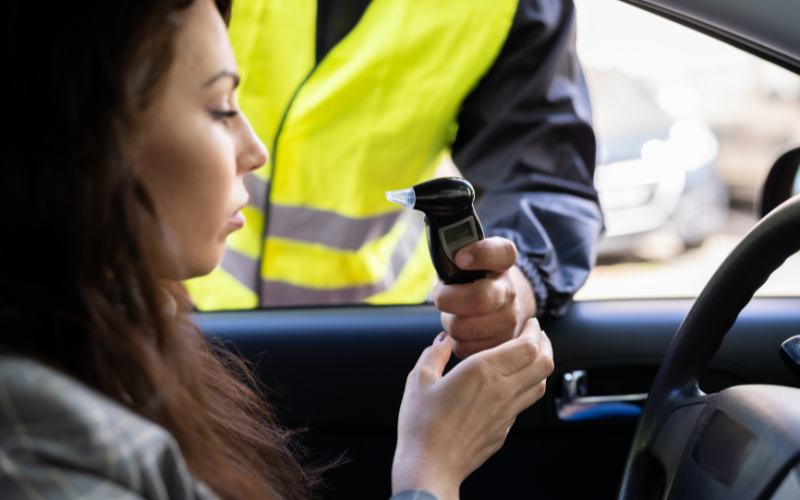
What may feel like a routine drive can quickly escalate into a criminal matter with serious legal weight behind it. Queensland authorities take these offences seriously, and the consequences can follow you well beyond the roadside stop, affecting your licence, your record, and your future opportunities. This is why understanding where the law draws the line, and how it is enforced locally, matters more than many people realise. When the stakes are high, guidance from an experienced drink driving lawyer Gold Coast can be critical in navigating what comes next with clarity and control.
Drink Driving Laws on the Gold Coast: BAC Limits, Offences and Penalties
Understanding how Queensland law defines drink driving and the penalties that apply is essential if you are facing charges or want to avoid them.
Legal Blood Alcohol Concentration (BAC) Limits
Queensland law sets different BAC limits depending on your licence type. If you exceed your applicable limit, you may be charged with a drink-driving offence.
Learner drivers (L-plates):
0.00% BAC- any detectable alcohol is an offence.
Provisional drivers (P1 and P2):
0.00% BAC- zero tolerance applies.
Open licence holders:
Below 0.05% BAC- reading at or above this level is an offence.
Police on the Gold Coast regularly conduct roadside breath testing and have the power to require a breath, saliva, or blood test at any time.
Types of Drink and Drug Driving Offences
Queensland drink driving offences are categorised by BAC level and behaviour. The charge you face depends on the reading and the circumstances.
Prescribed Concentration of Alcohol (PCA) Offences
- Low range: 0.05% to under 0.10%
- Mid range: 0.10% to under 0.15%
- High range: 0.15% or higher
Higher readings carry significantly harsher penalties and are more likely to result in court proceedings.
Driving Under the Influence (DUI)
- Applies when your ability to drive is impaired by alcohol or drugs, regardless of BAC reading.
- Police rely on behaviour, observations, and evidence of impairment.
- DUI charges are treated more seriously than standard PCA offences.
Drug Driving
- Includes driving with certain illicit drugs present in your system, such as cannabis, methamphetamine, or MDMA.
- A positive roadside saliva or blood test may lead to criminal charges.
- Prescription medications may also result in charges if they impair your driving.
Penalties, Fines and Criminal Consequences
Drink driving offences in Queensland are criminal matters. Penalties vary based on the offence type, prior history, and severity.
Depending on the charge, penalties may include:
- Substantial fines
- Court-imposed penalties
- Disqualification periods
- Imprisonment for serious or repeat offences
- Conviction recorded, which may appear on your criminal history
Even a first offence can have lasting consequences, particularly if you work in regulated professions, hold security licences, or travel overseas.
Licence Suspensions, Interlocks, and Getting Your Licence Back
Immediate Licence Suspension
In many drink driving cases, Queensland Police can suspend your licence on the spot.
This is known as an immediate roadside suspension and usually applies where:
- Your BAC reading is 0.10% or higher
- You refuse to provide a breath or blood sample
- You are charged with a serious drink or drug driving offence
This suspension takes effect straight away. You must not drive from that moment onward, even if you have not yet been to court.
If you continue driving while suspended, you may face:
- Additional criminal charges
- Heavy fines
- Further disqualification periods
Court-Ordered Licence Disqualification
If you are found guilty, the court will impose a disqualification period. This means you are legally prohibited from driving for a specified period.
The length of the disqualification depends on:
- Your BAC level
- Whether it is a first or a repeat offence
- The type of charge (PCA, DUI, or drug driving)
- Any aggravating circumstances
Once the disqualification period ends, your licence does not automatically return. You must reapply and meet all legal requirements before driving again.
Alcohol Interlock Program
Many drink-driving offences require participation in Queensland’s Alcohol Ignition Interlock Program.
An interlock device prevents your vehicle from starting unless you provide a zero-alcohol reading. You may be required to install one if:
- Your BAC was 0.10% or higher
- You committed a repeat offence
- You were convicted of DUI
- You refused testing
Interlocks typically remain in place for at least 12 months, with all costs covered by you.
Getting Your Licence Back
Once your disqualification period ends, your licence does not automatically return. You must reapply through Transport and Main Roads and meet all reinstatement conditions before you can legally drive again. This may include completing a drink driving education course, installing an alcohol interlock device if ordered, and paying reinstatement fees. If an interlock applies, you may only drive vehicles fitted with an approved device. Driving without complying with these conditions is a criminal offence.
How a Drink Driving Lawyer Gold Coast Can Help Your Case
A drink driving lawyer Gold Coast gives you a strong, practical defence when you are facing serious penalties in Queensland. Experienced offence lawyers review the police process, test the evidence, advise on licence options where available, and present your case clearly to seek reduced penalties. With a dedicated drink driving lawyer Gold Coast on your side, you have the best chance to protect your licence and your future.