

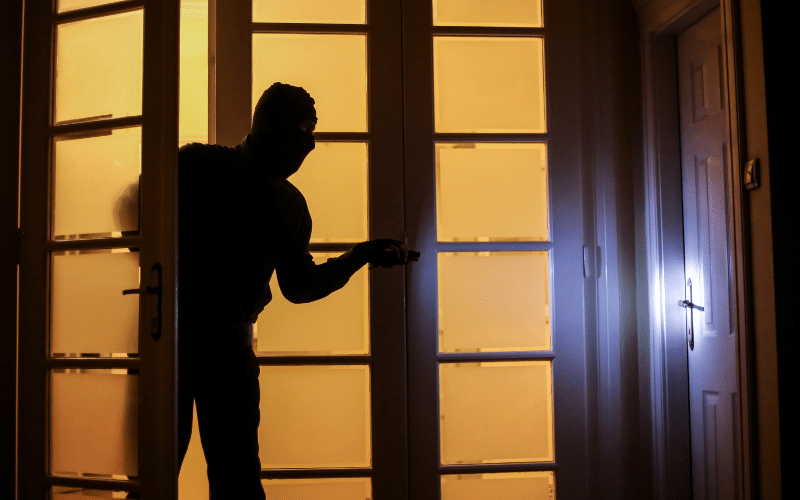
Ask anyone what they would do if a stranger broke into their home, and the answer is almost instinctive: protect yourself, protect your family. In that moment, no one is thinking about sections of legislation or future courtrooms. But when the police arrive, and the adrenaline fades, Victoria’s criminal law steps in, and it judges your actions far more clinically than the fear that drove them.
That is where lives can change fast. What feels like justified self-defence in the chaos of a home invasion can later become the subject of intense legal scrutiny, serious charges, and mandatory prison sentences. When freedom, reputation, and your future are on the line, this is not the time for guesswork or assumptions. It is when the guidance of the best criminal barrister Melbourne becomes critical, someone who understands not only the law, but also how police and courts will dissect every decision you made under pressure.
Victorian Self-Defence Laws in Home Invasions
Self-defence in Victoria is governed by Part IIA of the Crimes Act 1958 (Vic). While the law recognises a person’s right to protect themselves and others during a home invasion, it does not provide an automatic immunity from prosecution. Each case is assessed strictly in accordance with legal principles and evidence.
Under self-defence laws in Victoria, a person is not criminally responsible if they genuinely believed their actions were necessary to defend themselves or another person, and if that response was reasonable in the circumstances as perceived at the time.
In home invasion scenarios, this involves a careful examination of:
- The immediacy and seriousness of the threat
- Whether the intruder was armed or behaving violently
- The proportionality of the force used
- Whether the defensive actions continued after the threat had passed
Importantly, the law recognises that individuals under extreme stress may not respond perfectly. However, excessive or retaliatory force, particularly once the danger has subsided, can quickly fall outside lawful self-defence and lead to serious criminal allegations.
Home Invasion Charges in Victoria: What Could You Be Facing?
Victoria treats home invasion offences as some of the most serious crimes under the Crimes Act, particularly due to the intrusion into personal safety and privacy.
Offence Definitions and Penalties
Home Invasion (s 77A – Crimes Act 1958)
A person commits home invasion if they:
- Enter a home as a trespasser,
- Intend to steal or commit another serious indictable offence, and
- Know or are reckless as to whether someone is present inside the home
This offence reflects the heightened risk posed when occupants are present, regardless of whether violence actually occurs.
Aggravated Home Invasion (s 77B – Crimes Act 1958)
An aggravated home invasion occurs when additional factors are present, such as:
- The offender is armed with a firearm or an offensive weapon
- The offender is in the company of one or more other offenders
- Violence or threats of violence are used
Aggravation dramatically increases sentencing exposure and significantly limits the court’s discretion.
What Could You Be Facing?
If convicted of home invasion charges, penalties are severe and largely non-negotiable:
- Mandatory imprisonment (custodial sentences are the norm)
- Lengthy jail terms, particularly for aggravated offences
- A permanent criminal record affects employment, travel, and reputation
- Ancillary orders, including:
- Non-association orders
- Firearm prohibition orders
- Compensation or restitution orders
Due to the mandatory sentencing framework, defending these matters requires advanced advocacy and strategic legal judgment, typically provided by the best criminal barristers working alongside experienced solicitors.
When Does Self-Defence Become a Criminal Charge?
Despite the legal protections available under Victorian law, many people discover too late that what felt like lawful self-defence is later scrutinised as a criminal act. One of the most misunderstood aspects of violent crime law is how self-defence can transform into a criminal allegation.
Common scenarios where this occurs include:
- Using force that exceeds what was reasonably necessary
- Continuing to assault an intruder once they attempt to flee
- Chasing or restraining an offender after the threat has ended
- Using a weapon where a lesser response may have sufficed
In these cases, police may allege offences such as:
- Causing injury intentionally
- Recklessly causing serious injury
- Assault with a weapon
- Even manslaughter or murder in extreme outcomes
What matters legally is not only what occurred, but how it can be proven. Without careful legal management, statements made during police interviews or emergency calls can undermine an otherwise valid self-defence claim.
How Do Police and Courts Assess Home Invasion Incidents?
Victoria Police and the courts undertake a forensic analysis of home invasion incidents, focusing on both physical evidence and conduct.
Key factors assessed include:
- The timeline of events and escalation points
- The nature and severity of injuries
- Whether weapons were present or introduced
- CCTV footage, body-worn camera evidence, and forensic findings
- Emergency calls and immediate statements
- The accused’s behaviour before, during, and after the incident
This level of scrutiny makes early advice from the best criminal barrister essential to protecting your legal position.
When Do You Need the Best Criminal Barrister?
You should engage the best criminal barrister at the earliest possible stage of any home invasion or self-defence matter in Victoria. Under Victorian law, these cases escalate quickly, and early missteps can significantly affect the outcome.
Immediate representation is critical if:
- You are under police investigation for a home invasion incident, even if no charges have been laid
- You acted in self-defence, and serious injury or death occurred
- Police allege excessive or disproportionate force, placing your self-defence claim at risk
- You have been charged with home invasion or aggravated home invasion
- Mandatory imprisonment is a real possibility
- You are asked to participate in a recorded police interview or make a statement
Working closely with skilled criminal defence lawyers Melbourne practitioners ensures your case strategy is carefully managed from the outset.














 to Zara and Ryan they all are amazing criminal lawyers. After living 30 years of my life in Australia I dealt with many lawyers in my career but at last I found these who saved my life.