

Losing someone you love is hard enough on its own. When their death also leads to a coronial inquiry, it can feel like another blow. You might be unsure why an inquest is happening, what it means for your family, or what rights you actually have. Whether you need coronial inquest lawyers Melbourne families trust, a criminal lawyer with courtroom experience, or DUI lawyers Melbourne firms who understand road-related deaths, having the right legal support makes a real difference.
This guide walks you through the Victorian coronial process. It covers what to expect, what rights you hold, and when legal representation can make a real difference.
What Is a Coronial Inquest in Victoria?
A coronial inquest is a formal hearing run by the Coroners Court of Victoria. It looks into how, when, and why a person died.
- It is not a criminal trial.
- The coroner does not decide if anyone is guilty.
- The goal is to establish facts and help prevent similar deaths.
Most deaths reported to the coroner never reach a public hearing. An inquest is only held when the law requires it, or extra scrutiny is needed.
Which Deaths Get Reported to the Coroner?
Under the Coroners Act 2008 (Vic), certain deaths must be reported. These are known as “reportable deaths.”
Deaths That Must Be Reported
A death is reportable if it:
- Was violent, unnatural, or unexpected
- Followed an accident or injury, even after a long delay
- Has no clear cause, and no doctor can certify it
- Happened to someone whose identity is unknown
- Occurred during or after a medical procedure, in a way doctors did not expect
- Happened to someone who was a mental health patient just before death
- Occurred in police custody, prison, or another care setting
Deaths That Are Not Reportable
Some deaths sit outside this list. This includes deaths carried out properly under the Voluntary Assisted Dying Act 2017.
Does Every Reportable Death Lead to a Public Inquest?
No. Most reportable deaths are finalised without a hearing.
If the cause of death is clear and there’s no safety concern, the coroner can close the matter on paper. This results in a written finding, with no court appearance needed.
When an Inquest Is Usually Required?
An inquest is generally held for:
- Deaths in police custody or care
- Cases where the cause or circumstances remain unclear
- Matters that raise broader public safety concerns
Who can Request an Inquest?
Under section 52 of the Act, any person can ask for an inquest to be held. The coroner must respond to that request within three months.
What Happens During the Coronial Inquest Process?
The process generally moves through four stages.
1. Investigation and Brief of Evidence
Police, often working alongside the coroner’s own staff, gather evidence. This can include witness statements, medical reports, and CCTV footage. Everything is compiled into a “brief of evidence.”
2. Directions and Mention Hearings
Before the main hearing, the coroner may hold shorter sessions. These set the scope of the inquest and confirm who can take part as an “interested party,” such as close family members.
3. The Inquest Hearing
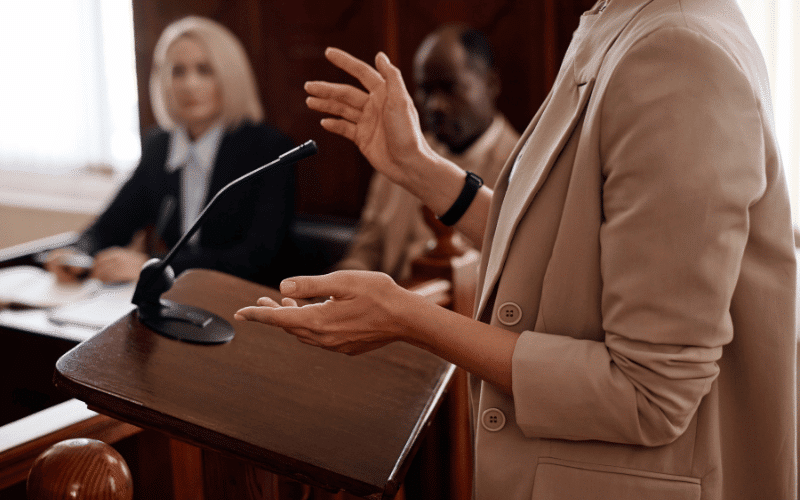
This is the main hearing, held in open court.
- Counsel assisting the coroner usually opens with a statement
- Witnesses, including experts, give evidence
- Lawyers for interested parties may ask questions
- Family members can ask for leave to make their own statement
4. The Coroner’s Finding
After hearing the evidence, the coroner hands down a finding. It explains who died, and how and why it happened. The coroner may also make recommendations to help prevent similar deaths in the future.
What Rights Do You Have as Family or an Interested Party?
You hold several rights under Victorian law, even without a lawyer.
Right to Take Part
You can attend the inquest, ask for leave to make a statement, and raise concerns about the scope of the hearing.
Right to Legal Representation
You are not required to have a lawyer. But you can choose to be represented if you want a stronger, more active role in proceedings.
Right to Cultural Support
Aboriginal families can access the Yirramboi Murrup Unit. This team offers cultural support and helps with communication throughout the court process.
Right to Information
You can ask to see relevant documents and stay updated on hearing dates and outcomes as the matter progresses.
Do You Need a Lawyer for a Coronial Inquest?
You are not legally required to have one. The Coroners Court is independent, so it won’t choose a lawyer for you.
What a Lawyer Can Do for You?
A lawyer who understands coronial law can:
- Cross-examine witnesses on your behalf
- Make legal submissions to the coroner
- Help shape the questions the inquest explores
- Explain confusing parts of the process in plain terms
What Happens After the Inquest Ends?
The coroner’s finding is a formal document, not a criminal verdict.
- It cannot say that someone is guilty of a crime
- It can include recommendations for change
- It may be referred to other bodies, such as police or WorkSafe, if further action is needed
Can You Appeal a Coroner’s Finding?
There is no general right of appeal. In limited situations, you can ask the Supreme Court of Victoria to review a decision, such as a refusal to hold an inquest.
Your Next Step Starts With the Right Legal Advice
Going through a coronial inquest while grieving is genuinely hard. The right lawyer helps you understand the process, protects your rights, and makes sure your voice is heard. If you or someone in your family is facing an inquest in Melbourne or regional Victoria, speak with a lawyer experienced in coronial matters before the hearing date. Early advice gives you more time to prepare and ask the right questions.
Garde Wilson Lawyers offers confidential consultations for families across Melbourne and regional Victoria. The firm has spent more than 20 years defending criminal charges, from minor driving matters through to the most serious offences, led by founding partner Zarah Garde-Wilson. That same courtroom experience matters in coronial inquests too, since a coroner’s finding can sometimes lead to further criminal proceedings. Whether you’re seeking answers, accountability, or simply clarity about what happened, our team is here to guide you through every stage.














 to Zara and Ryan they all are amazing criminal lawyers. After living 30 years of my life in Australia I dealt with many lawyers in my career but at last I found these who saved my life.